
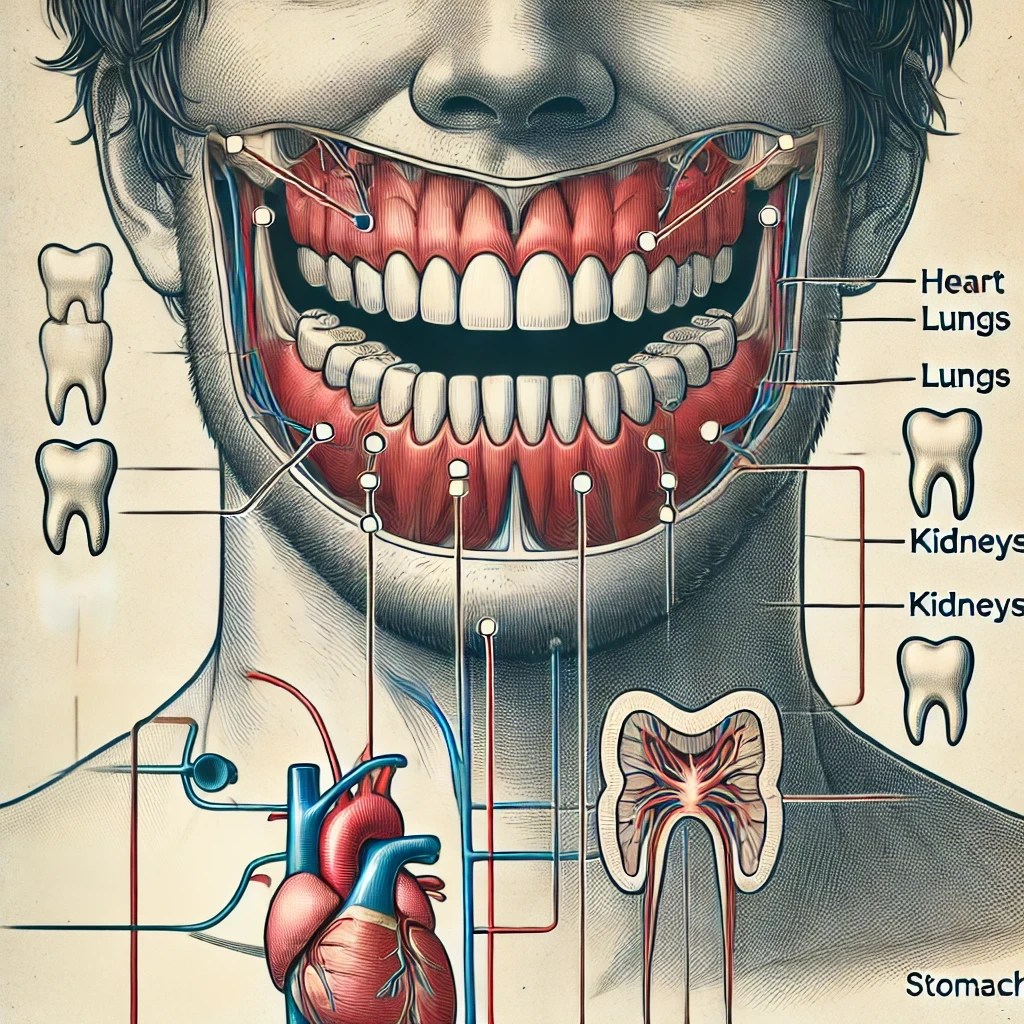
When we think about oral health, we often focus on the importance of maintaining a bright smile, preventing cavities, and ensuring fresh breath. However, what many may not realize is that the health of your teeth can be closely connected to the wellbeing of your entire body. In fact, various studies in holistic dentistry have suggested that different teeth can relate to specific organs, providing insight into potential underlying health issues.
How are Teeth and Organs Connected?
Holistic dentistry posits that the human body operates as an interconnected system. In this view, your teeth, gums, and mouth do not exist in isolation; they are part of the broader network of organs, nerves, and energy pathways in your body. This idea stems from the principles of traditional Chinese medicine (TCM) and modern research, suggesting that each tooth corresponds to a particular organ or system within the body.
The Teeth-Organ Meridian Relationship
According to the meridian system in TCM, energy flows through channels (meridians) that connect various parts of the body, including the teeth and organs. Problems in specific teeth may indicate an issue in the related organ, and likewise, issues with an organ may manifest as dental symptoms. Here’s a breakdown of the teeth-organ connections:
- Upper Incisors (Teeth 7-10): These teeth are often linked to the kidneys and bladder. Problems with the upper incisors may indicate issues with the urinary system, including kidney imbalance or infection.
- Canines (Teeth 6 and 11): The canines are associated with the liver and gallbladder. Issues with these teeth could signal liver stress or gallbladder problems.
- Premolars (Teeth 4, 5, 12, and 13): The premolars correspond to the lungs and colon. Lung problems, such as respiratory infections, or digestive issues like colitis, may be reflected in these teeth.
- Molars (Teeth 2, 3, 14, and 15): The first and second molars are linked to the stomach, pancreas, and spleen. Dental issues in this area could be connected to digestive disturbances or blood sugar regulation.
- Wisdom Teeth (Teeth 1, 16, 17, and 32): Wisdom teeth are connected to the heart and small intestine. Though many people have their wisdom teeth removed, those with impacted or infected wisdom teeth may experience related cardiovascular or intestinal issues.
- Lower Incisors (Teeth 23-26): These teeth are associated with the kidneys, bladder, and reproductive organs. Sensitivity or pain in these teeth may point to kidney imbalances or reproductive health concerns.
How to Interpret the Connection?
While the connection between teeth and organs is an interesting concept, it’s essential to view these relationships as potential indicators rather than definitive diagnoses. For example, a toothache does not necessarily mean there’s an issue with the corresponding organ. However, if you experience persistent problems with a particular tooth, it may be worth considering a broader examination of your health to rule out any related concerns.
The Role of Gum Health
It’s not just the teeth that can signal potential health issues—your gums also play a critical role. Studies have shown that gum disease (periodontal disease) has been linked to systemic health conditions, such as heart disease, diabetes, and even pregnancy complications. This connection stems from inflammation, which can spread from the gums to other parts of the body, affecting overall health.
Maintaining Holistic Oral Health
Understanding the connection between teeth and the rest of the body reinforces the importance of maintaining excellent oral health as part of a holistic approach to wellness. Here are a few tips:
- Regular dental check-ups: Catching potential problems early can prevent them from escalating into more significant issues, both in your mouth and throughout your body.
- Balanced diet: What you eat impacts both your teeth and your internal organs. A diet rich in fruits, vegetables, and whole grains can promote both oral and overall health.
- Hydration: Drinking plenty of water helps keep your mouth clean and supports kidney function, which is associated with specific teeth.
- Address stress: High-stress levels can negatively affect both your oral health (e.g., grinding teeth, clenching jaws) and internal organs such as the heart and liver.
Conclusion
Your teeth may reveal more than just the state of your oral health. By considering the connection between teeth and body organs, you can gain deeper insights into your overall wellbeing. By integrating holistic care practices into your dental routine, you not only protect your smile but also promote long-term health for your entire body.
If you’re concerned about a persistent dental issue or interested in learning more about how your teeth relate to other parts of your body, consult with your dentist or a holistic health practitioner who can guide you in addressing both dental and systemic health.
 DentALB-UK